
Executive Council
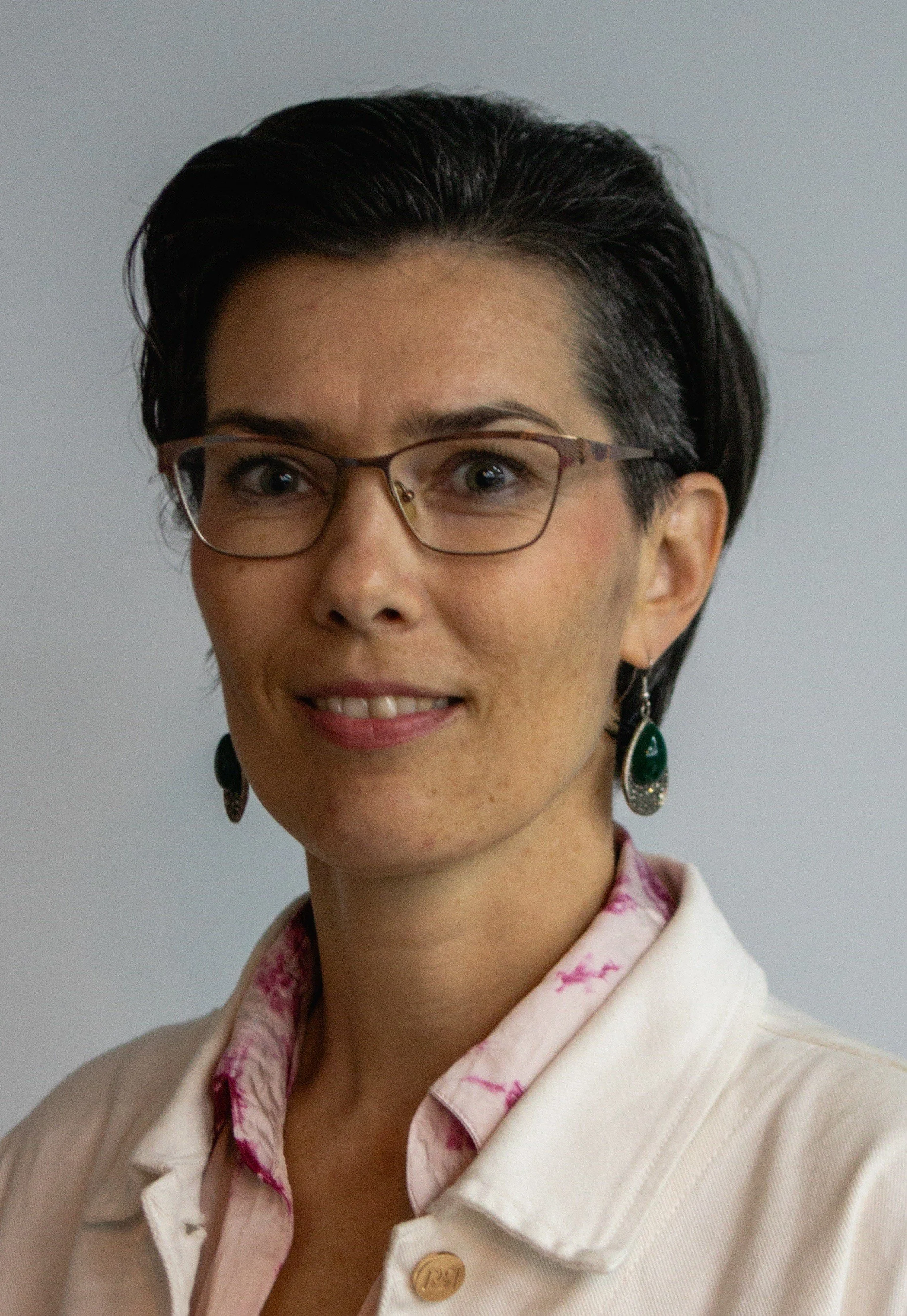
Ana Bojinović Fenko
Ana Bojinović Fenko is Professor of International Relations (IR) and Director of Centre of IR at the University of Ljubljana, Faculty of Social Sciences. She teaches in university programmes of IR and European Studies. Her areas of research are: Foreign Policy Analysis, International Regionalism, and EU as a global actor; empirically, she studies small states, regions of post-Yugoslav space, Central and East Europe, the Balkans and the Mediterranean, EU actorness and EU enlargement policy. She has been organizing Ljubljana Student Conference on IR as Academic Lead since 2020.
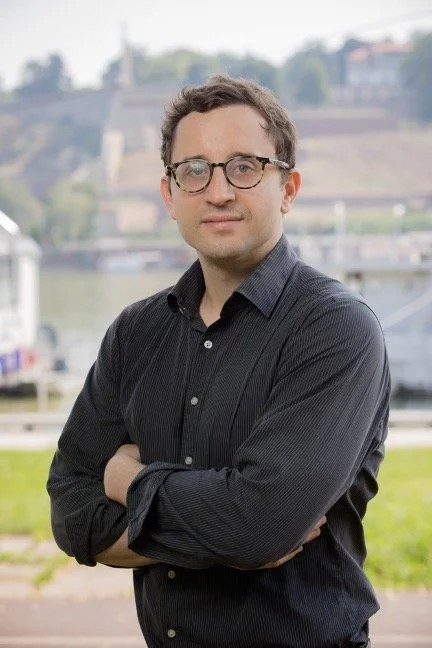
Filip Ejdus
Filip Ejdus is an Associate Professor of Security Studies at the Faculty of Political Science, at the University of Belgrade. In his academic research, he studies how identity, memory, emotions and rationality affect security policy and international interventions. He also specializes in security sector reform, defence policy, civil-military relations and EU as a global actor. The geographic focus of his interests are the Western Balkans, the Horn of Africa and the Middle East. His most recent book is Crisis and Ontological Insecurity: Serbia's Anxiety over Kosovo’s Secession (Palgrave Macmillan, 2020). He is also the founder and co-Editor in Chief of Journal of Regional Security. In addition to these academic interests Filip has been closely involved with public policy as a board president of the Belgrade Centre for Security Policy, academic coordinator at the Belgrade Security Forum and the co-chair of the Regional Stability in South East Europe Study Group at the PfP Consortium of Defence Academies and Security Studies Institutes. Filip obtained his BA and PhD at the Faculty of Political Science, joint master degree at the LSE and Sciences Po Paris and was a Marie Curie Post-doctoral fellow at the University of Bristol.
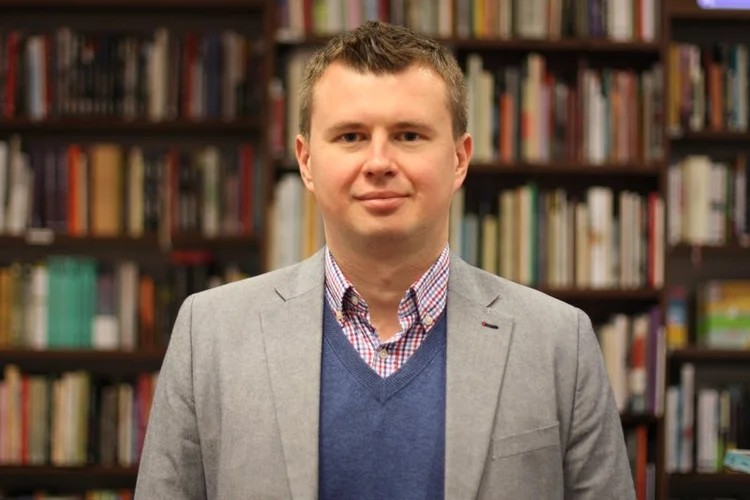
Aliaksei Kazharski
Dr. Aliaksei Kazharski (Belarus), researcher and lecturer at the Faculty of Social Sciences of Charles University in Prague, received his Ph.D. in European studies and policies from Comenius University in Bratislava in 2015. Has worked as a visiting researcher at the universities of Oslo (Norway), Vienna (Austria), Tartu (Estonia), Malmö (Sweden), the Polish Academy of Sciences, and the Institute of Human Sciences (IWM) in Vienna. Author of Eurasian Integration and the Russian World. Regionalism as an Identitary Enterprise(CEUPress, 2019) and Central Europe Thirty Years After. A Return to the Margin? (Lexington Books, 2022).

Kateřina Kočí
President pro tempore until 31 October 2026
Kateřina Kočí is an Associate Professor at the Department of International and Diplomatic Studies, Prague University of Economics and Business. She is a member of several professional networks, including the GenDip Research Network. She has held visiting research positions at the Universities of Warsaw, Ljubljana, and Tartu, and was awarded a scholarship at the PACTE Research Center at Sciences Po Grenoble. Her research focuses on the European Union’s actorness, the EU’s Common Foreign and Security Policy, the role of Central and Eastern European states within the EU, and gender in diplomacy. Her work has contributed to the conceptual and legitimacy dimensions of EU actorness, offering new perspectives on how the EU’s identity and agency are shaped and assessed. She has also analysed the internal socialisation processes within the EU and the role of CEE countries in both internal cohesion and external policy-making. Her co-authored studies (e.g. Lovec, Kočí & Šabič, 2021; Dubský, Kočí & Votoupalová, 2024) challenge mainstream interpretations of compliance and demonstrate how smaller and newer EU member states actively influence the Union’s external agenda, especially towards its Eastern neighbourhood.

Tamara Trošt
Tamara Pavasović Trošt is an Associate Professor of Sociology at the University of Ljubljana, specializing in nationalism, ethnic identity, youth values, and collective memory in the Western Balkans. She earned her Ph.D. from Harvard University and was previously a visiting professor at the University of Graz and Princeton University. Her work combines qualitative and mixed methods to explore identity politics and social change in post-socialist Europe.